January 2026
MJB Technologies
ServiceNow • AI Governance • IT Risk

Executive Summary

Enterprise IT did not “break.” It crossed a threshold: decisions started happening continuously and automatically at machine speed inside platforms like ServiceNow. When something goes wrong, leadership asks one question—Who decided this? If you can’t answer, the risk is not technology. It’s decision governance. This blog shows a practical decision-governance model: owners, boundaries, escalation, and reviewable trails.

What you’ll take away

A clear blueprint to prevent orphan decisions and make ServiceNow automation defensible without slowing down operations.

Who it’s for

CIOs, CISOs, ServiceNow product owners, IT Ops/SecOps leaders, Risk & Compliance teams, enterprise architects.


Enterprise IT Didn’t Break. It Crossed a Threshold.

Decisions inside modern enterprises are no longer waiting for meetings, approvals, or even people. They are happening continuously, automatically, and at machine speed—inside platforms like ServiceNow.

  • Incidents are prioritized before anyone reads them.
  • Changes are approved before anyone reviews them.
  • Access is blocked before anyone asks why.
  • Security responses are triggered before leadership is notified.

For most organizations, this feels like progress—until something goes wrong. Then the first question leadership asks is not what failed. It is:

The leadership question that changes everything

Who decided this?

And increasingly, no one can answer. This is not an AI failure. It is not a system outage. It is not even a technology problem. It is a decision governance failure—and it is one of the most underestimated risks in AI-driven IT operations today.


The Silent Shift Enterprises Are Missing

Most organizations still think of ServiceNow as a workflow execution platform. That mental model is outdated. Modern ServiceNow environments don’t only execute predefined instructions. They evaluate context, assess risk, compare alternatives, and choose outcomes. That is decision-making—whether the organization formally recognizes it or not.

What already happens in many enterprises

  • Incident Management uses predictive intelligence to determine priority and urgency.
  • Change Management assigns risk scores that influence approval paths.
  • Security Operations triggers automated containment actions.
  • Access controls enforce policies without human review.
  • Compliance modules initiate actions based on rule evaluation.

These are not mechanical steps. They are choices with real business consequences. Yet governance frameworks have not evolved at the same pace. Most still focus on configuration control rather than decision accountability. That mismatch is where risk quietly accumulates.

Decision governance risk in AI-driven ServiceNow operations
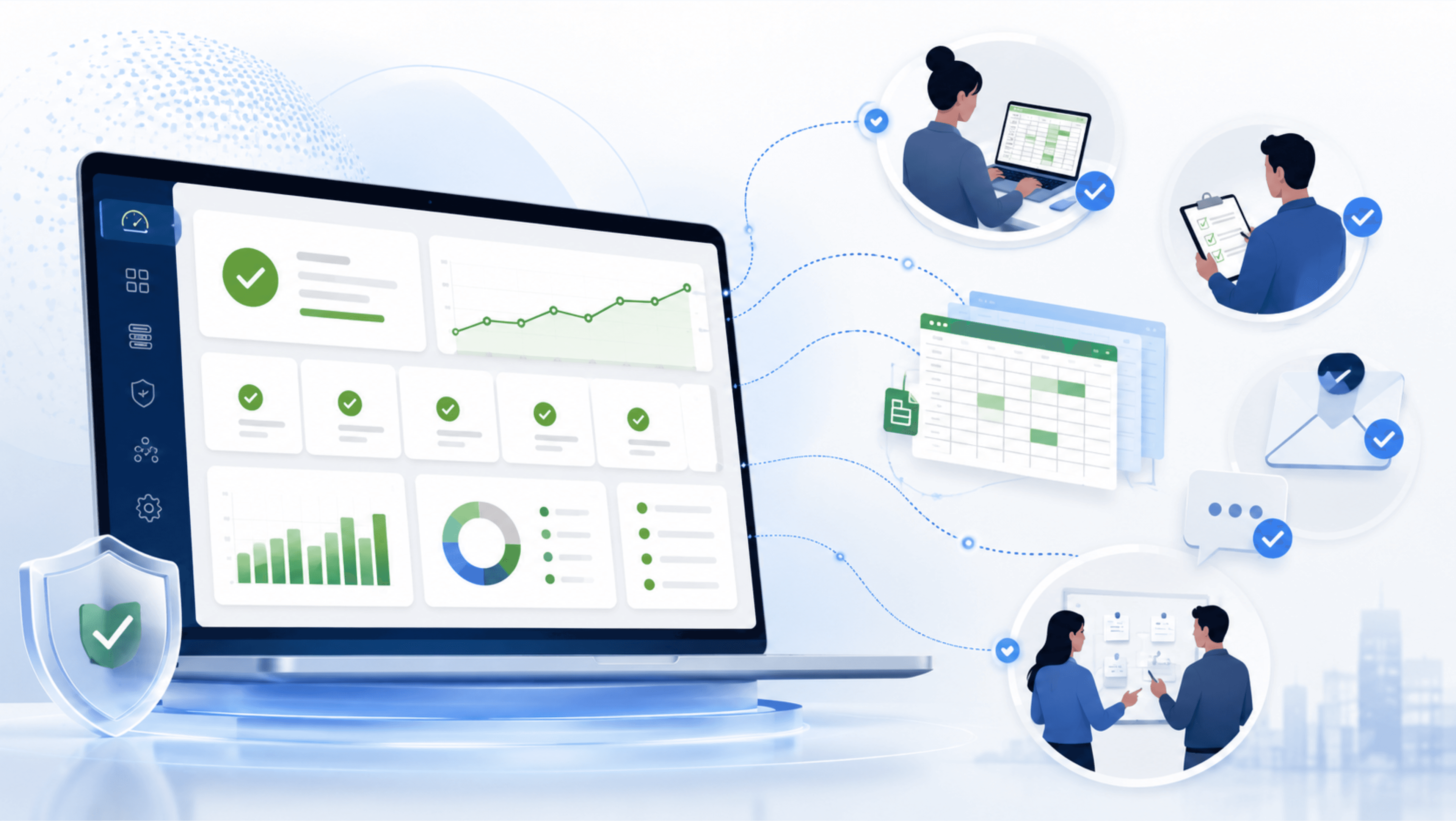
Optional visual: Workflow execution vs decision-making—showing where AI influences prioritization, approvals, blocks, and remediation.

The Real Problem Is Not Automation. It’s Orphan Decisions.

As automation scales, a dangerous gap opens: decisions begin to exist without owners.

Definition: Orphan decisions

A decision that impacts customers, revenue, security, or compliance, is executed or heavily influenced by ServiceNow, and does not have a clearly accountable human owner.

Examples leaders underestimate

  • A low-risk change passes automatically and causes an outage.
  • An incident is deprioritized and escalates into a major failure.
  • A user is blocked during a critical business moment.
  • A security playbook isolates systems without contextual review.

“The system did” won’t protect you

When leadership asks “Who approved this?” and the answer is “The system did,” that doesn’t survive audits, satisfy regulators, or protect executives.


Why Traditional ServiceNow Governance Is No Longer Enough

Most ServiceNow governance models were built for a different era. They focus on:

  • Role-based access
  • Workflow approvals
  • Release cycles
  • Testing and deployment controls
  • Configuration management

These controls are necessary—but no longer sufficient. They explain who configured the system, who deployed the workflow, and who had access. They do not explain what matters when something goes wrong:

  • Who owned the decision
  • Who accepted the risk
  • Who is accountable for the outcome

Over time, this gap creates predictable damage:

  • Audit exposure
  • Compliance stress
  • Internal blame cycles
  • Loss of trust in automation
  • Slowdowns or rollbacks of AI initiatives

The uncomfortable reality

The technology can work perfectly—while leadership confidence erodes.


Why CIOs and CISOs Feel the Pressure First

For CIOs, ServiceNow is the operational backbone of IT. For CISOs, it increasingly controls access, response, and containment. When automated decisions influence outages, breaches, or customer impact, leaders are no longer shielded by technical explanations.

What leaders face in the real world

  • Regulators demanding accountability
  • Auditors requesting justification
  • Boards asking for clarity
  • Customers expecting transparency

The condition for scaling automation

Automation can only scale if leadership can say: “This is how the decision was made—and this is who owned it.”


What a Decision-Governed ServiceNow Looks Like

High-maturity enterprises don’t reduce automation. They govern decisions explicitly. They treat ServiceNow as a decision platform, not just a workflow engine. Four principles define this shift.

1) Every Decision Has a Named Owner

Every category of AI-influenced decision must have a clearly defined human owner. Not a team. Not a committee. A role with authority.

  • Change risk approvals
  • Incident prioritization logic
  • Security containment actions
  • Policy enforcement thresholds

Ownership does not mean manual approval every time. It means accountability when outcomes matter.

2) Decision Boundaries Are Explicit

Automation must know its limits. Organizations must clearly define:

  • What the system can recommend
  • What it can execute automatically
  • What requires human confirmation

Clear boundaries protect both speed and accountability. Automation without boundaries creates uncertainty. Boundaries without automation create bottlenecks. Balanced design enables trust.

3) Escalation Is Built Into the Platform

Escalation should not depend on emails, dashboards, or manual checks. When defined risk thresholds are crossed:

  • ServiceNow escalates automatically
  • Decision owners are notified immediately
  • Context travels with the escalation

Escalation is not a failure

Escalation is how safe automation operates at scale.

4) Every Decision Is Reviewable

For high-impact decisions, enterprises must be able to answer:

  • What data was evaluated
  • What the system recommended
  • Who approved or overrode it
  • Why the final decision was taken

This transforms ServiceNow from a black box into a defensible system of record.

Make Automation Defensible

If ServiceNow is already influencing decisions inside your enterprise, it’s time to make those decisions accountable. Build decision governance that leadership can stand behind: fast, escalated, reviewable, defensible.


Why This Matters Now—Not Later

Organizations are investing heavily in AI-driven ServiceNow capabilities:

  • Predictive intelligence
  • Automated change approvals
  • Autonomous remediation
  • Policy-based enforcement

Without decision governance, these investments introduce silent risk. ServiceNow is already powerful enough to run large parts of the enterprise. But only accountable systems are trusted systems. Governance is no longer a compliance exercise. It is the next maturity layer of ServiceNow implementations.


Where MJB Technologies Fits

As a ServiceNow implementation partner, MJB Technologies helps enterprises move from automation to governed autonomy. We work with organizations to:

  • Design AI-driven workflows with explicit decision ownership
  • Define escalation boundaries inside ServiceNow
  • Build audit-ready decision trails
  • Enable automation leadership can confidently stand behind

We don’t just make ServiceNow faster. We make it safe to scale.


Final Thought

ServiceNow is no longer just executing your processes. It is shaping your outcomes. The enterprises that succeed will not be the ones with the most automation— but the ones that can answer a simple question when things go wrong: Who owned the decision?


Frequently Asked Questions

1) Why is decision ownership more important than AI accuracy?

Because even accurate systems create risk if no one is accountable for outcomes. Ownership makes decisions defensible.

2) Does decision governance slow down automation?

No. Proper escalation and ownership reduce confusion and accelerate resolution when issues arise.

3) How does this help audits and compliance?

It creates clear trails showing who approved what and why, making audits faster and safer.

4) Can ServiceNow itself ever own decisions?

No. Legal and business responsibility must always remain with people, not platforms.

5) Where should enterprises start?

Begin with high-impact areas like change management, security operations, and incident prioritization.

CTA — Make Automation Defensible

Automation without ownership is not transformation—it’s exposure. If you want ServiceNow automation leadership can defend, you need decision ownership, boundaries, escalation, and reviewable trails.

Govern decisions. Reduce risk. Scale automation with confidence.